- Company overview The heart of SMC Vision & Philsophy Partnership Certifications Company culture
- Our service Design and Engineering Maintenance and Service Examine Production Line Upgrade and Transformation Storage and Logistics Processing, Trading and Distributor
- Management Our history Global responsibility Info Center
- Procurement center Internship
- Construction & Real Estate
- General Mechanical Equipment Refrigeration Equipment Metal & Metallurgy Machinery Other Equipments Compressor
- Safety Roadway Safety Personal Protective Equipment
- Mechanical Basic Parts Bearing Spare Parts
- Hardware Tools
- Instrumentation Testing and Analysis Instruments Other Instrumentations
- Electrical & Electronics
- Construction Machinery Lifting Machinery Earth Moving machinery Road Construction Machinery Drilling Machinery Logistics Machinery Generator Set & Engine Other Machinery
- Rubber & Plastics Plastic Pipes and Pipe Fittings Fiberglass Reinforced Plastic Pontoon System PCTFE Product Polymer Material
- Industrial Gas Container
- Hotel Equipment & Supplies
- Daily Necessities Fabric Products Glasswork Pet Supplies
- Environmental Protection Machinery
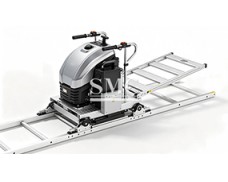
Wind Turbine Climb Assist


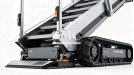
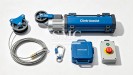
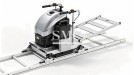
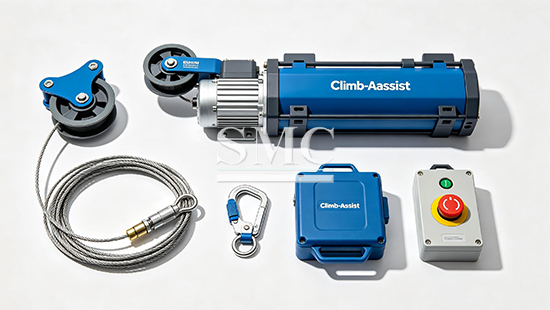
Lifting Force: 30‑50kg adjustable
Max Travel Speed: 37 m/min
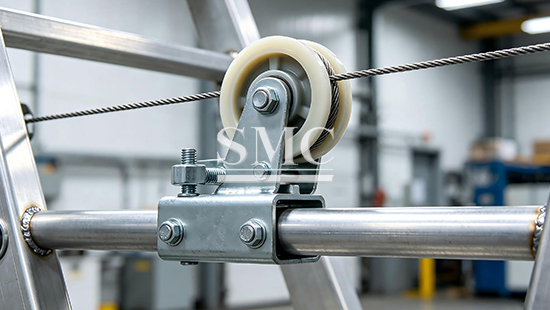
Wire Rope Diameter: 6 mm Steel Rope
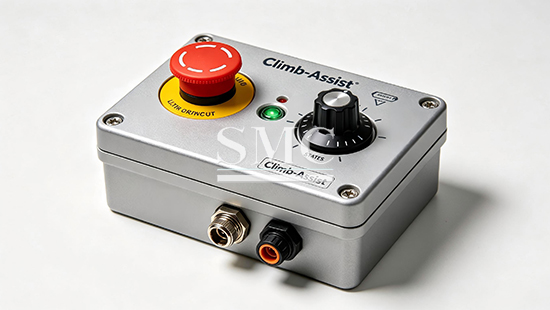
Protection Class: Motor IP55, Control Box IP66
Operating Temp: ‑40°C ~ +60°C
Shanghai Mac Corporation is a leading Climb‑Assist Climbing Assist System manufacturer and supplier.
Climb‑Assist is tower‑mounted auxiliary climbing hardware retrofitted onto existing vertical ladders inside towers. It delivers continuous upward pulling force through steel wire rope connected to operator’s safety harness. Operators still perform physical stepping movement on original ladder rungs while getting weight offset support. This hardware is deployed for routine inspection and repair work on tall vertical structures. It solves high physical fatigue caused by repeated long‑distance manual climbing, lowers cumulative musculoskeletal injury risk for field technicians, and keeps original ladder evacuation capability intact without tower‑body welding or cutting modification work. It fits sites where full automatic lift investment is not planned but operator physical burden reduction is required.
If you want to know more about our Climb‑Assist Climbing Assist System price please feel free to contact us, we will reply you within 24 hours.

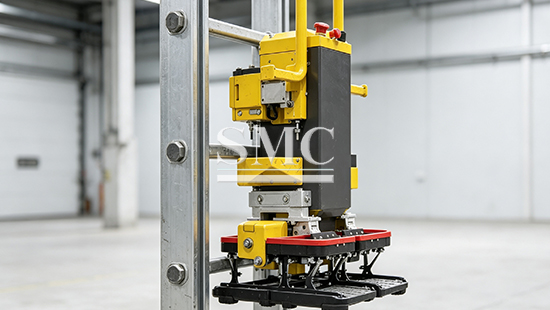
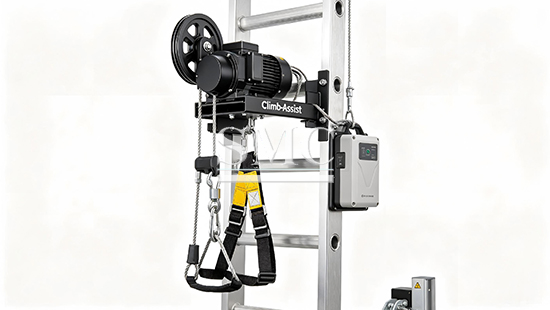

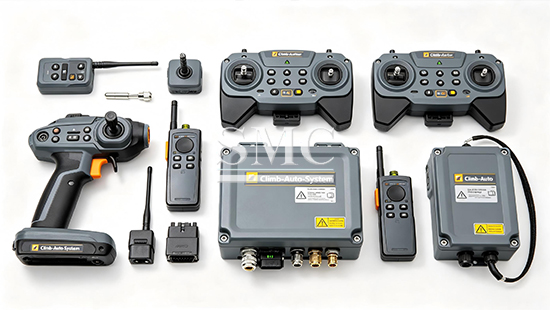



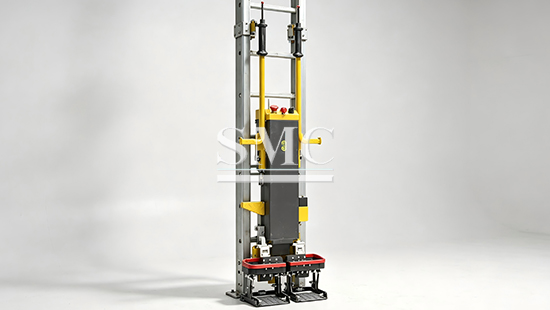



Technical Information of Wind Turbine Climb Assist:
|
Item |
Assist_A (On-Shore Standard Version) |
|
Applicable tower height range |
≤120 m |
|
Max continuous working duration per cycle |
45 min |
|
Allowable ambient humidity |
5%-85% non-condensing |
|
Surface anti-corrosion treatment |
Powder coating for carbon-steel parts |
|
Control box installation method |
Portable handheld mobile type |
|
Wire-rope breaking load |
28 kN |
|
Overload trigger threshold |
62 kg |
|
Storage temperature range |
-25℃ ~ +50℃ |
|
Total weight of whole mechanical set (exclude control box) |
21 kg |
|
Recommended application scenario |
General on-shore wind farm, industrial chimney |
|
|
|
|
Assist-B (High-altitude Heavy-duty Version) |
Assist-C (Offshore Salt-Spray Upgraded Version) |
|
120-180 m |
≤180 m |
|
60 min |
45 min |
|
5%-85% non-condensing |
5%-95% condensing marine atmosphere |
|
Thickened powder coating + passivation |
Hot-dip galvanizing + epoxy anti-salt-spray coating |
|
Wall-mount fixed cabinet + portable dual mode |
Wall-mount fixed anti-corrosion cabinet |
|
35 kN |
35 kN marine-grade anti-rust steel wire rope |
|
75 kg |
75 kg |
|
-35℃ ~ +55℃ |
-35℃ ~ +55℃ |
|
26 kg |
29 kg |
|
High-altitude inland wind turbine towers |
Offshore wind turbine towers, coastal industrial towers |
Packing of Wind Turbine Climb Assist:
Standard Packaging
Main car‑body assembly is wrapped by anti‑rust paper and thick EPE shock‑absorbing foam. Control cabinet, wireless remote‑controller and sensor assemblies are individually packed in inner anti‑impact cartons. All assemblies are fixed with foam padding inside fumigated export plywood wooden crates. Small‑size fasteners, clamping fittings and spare‑part accessories are sorted and sealed in labeled plastic bags inside crate. Outer wooden crates are reinforced with steel strapping. Product part number, gross weight and destination shipping marks are printed and pasted on crate outer surfaces.
Shipping
We support FCL and LCL sea freight, air freight and express delivery subject to total order quantity and destination country. Applicable trade terms include EXW, FOB, CIF. Other terms may be available upon request. Shipping costs are calculated based on total cargo volume, gross weight, destination port and selected transportation method.
Lead Time
Standard orders: 30-35 working days
Customized orders: 40-50 working days


Q1: What site information should I offer to receive your formal quotation?
A: Please provide tower height, existing ladder size, application scenario (onshore / offshore), purchasing quantity, local power‑supply specification and required certification standards.
Q2: How long does on‑site retrofit installation take for Climb‑Auto‑System?
A: Qualified installation team can complete full retrofit within 8 working hours for most standard wind‑turbine tower ladders; no tower‑structure welding modification is needed.
Q3: What regular inspection items are required for daily operation?
A: Annual inspection includes guide‑rail fastener tightness check, fall‑protection‑mechanism functional test, obstacle‑sensor response verification and wire‑rope wear examination. Replace components when visible mechanical damage is detected.
Q4: What happens when power cuts off during lifting operation?
A: Mechanical brake locks car‑body automatically after power loss. Operators can trigger manual emergency‑brake release for slow manual descent, or use foldable evacuation‑step to walk out via original ladder.
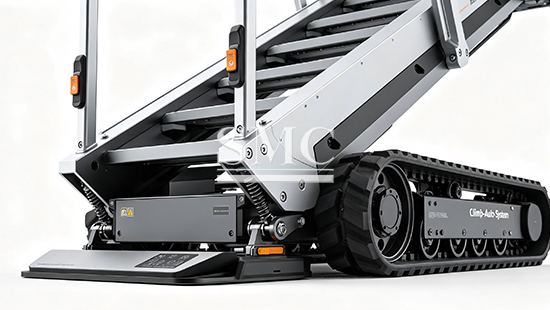
Q5: What is the key functional difference between Climb‑Auto‑System and Climb‑Assist?
A: Climb‑Auto‑System is full‑automatic manned lifting platform, operators do not need manual stepping on ladder rungs. Climb‑Assist only provides auxiliary pulling‑force while operators must complete manual climbing movement.
Q6: Can this unit transport tools and spare‑parts besides carrying personnel?
A: Yes. It supports maximum 60 kg auxiliary cargo‑load. Optional external metal tool‑box accessories are available for storing maintenance spare‑parts.
here
for
price