
- Company overview The heart of SMC Vision & Philsophy Partnership Certifications Company culture
- Our service Design and Engineering Maintenance and Service Examine Production Line Upgrade and Transformation Storage and Logistics Processing, Trading and Distributor
- Management Our history Global responsibility Info Center
- Procurement center Internship
- Construction & Real Estate
- General Mechanical Equipment Refrigeration Equipment Metal & Metallurgy Machinery Other Equipments Compressor
- Safety Roadway Safety Personal Protective Equipment
- Mechanical Basic Parts Bearing Spare Parts
- Hardware Tools
- Instrumentation Testing and Analysis Instruments Other Instrumentations
- Electrical & Electronics
- Construction Machinery Lifting Machinery Earth Moving machinery Road Construction Machinery Drilling Machinery Logistics Machinery Generator Set & Engine Other Machinery
- Rubber & Plastics Plastic Pipes and Pipe Fittings Fiberglass Reinforced Plastic Pontoon System PCTFE Product Polymer Material
- Industrial Gas Container
- Hotel Equipment & Supplies
- Daily Necessities Fabric Products Glasswork Pet Supplies
- Environmental Protection Machinery
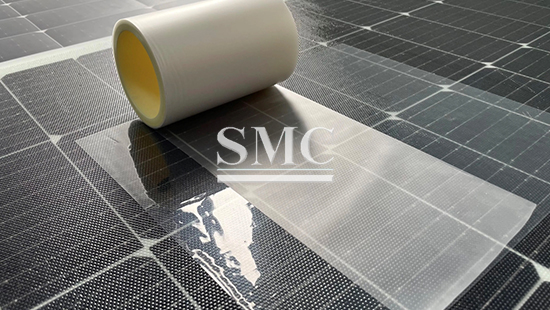
Transparent Backsheet




Structure: PVDF/Adhensive/PET/Coating
Color: Transparent
Norminal Thickness: 300 micron
Shanghai Mac Corporation is a leading Transparent backsheet manufacturer and supplier.
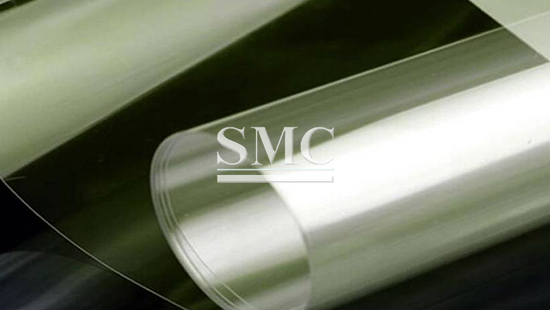
The solar backsheet is a critical encapsulation protective material located on the rear side of photovoltaic modules. It directly covers the back of the solar cells, primarily serving to provide insulation, block moisture, resist ultraviolet rays, and withstand environmental aging, ensuring the modules achieve a service life of over 25 years. Transparent backsheet is primarily used in bifacial photovoltaic modules, with continuously improving light transmittance, reliability, and decreasing costs, leading to a steadily rising market share.
If you want to know more about our Polymer material products or Transparent backsheet price please feel free to contact us , we will reply you within 24 hours.


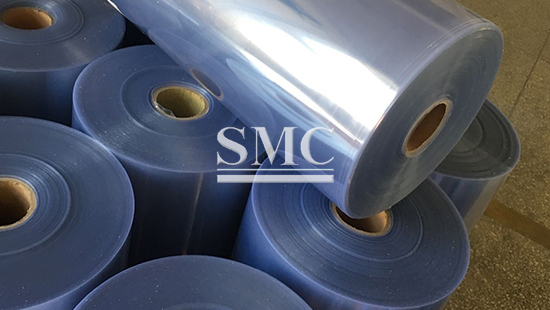

1. Unique dual-sided power generation capability The component features a unique dual-sided power generation capability, enabling it to capture and convert light energy from both sides, significantly enhancing its power generation performance.
2. High light transmittance can enhance power generation efficiency Adopting a high light transmittance structure to further enhance power generation efficiency.
3. Reliable and stable environmental adaptability It can be used in various environments (high temperature, high humidity, strong ultraviolet light) and maintain stable power generation in plateau areas.
4. Possess superior high-temperature heat dissipation performance The transparent backplate boasts excellent heat dissipation performance, effectively mitigating power degradation caused by high temperatures and maintaining stable power generation.
5. Surface hydrophobicity makes dust easily washed away by rain The panel surface exhibits hydrophobicity, allowing dust accumulation to be easily washed away by rain, thereby reducing the frequency of manual cleaning.
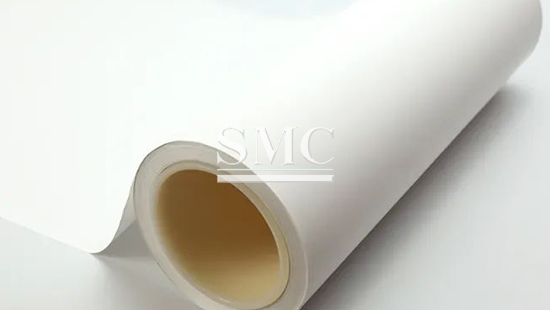
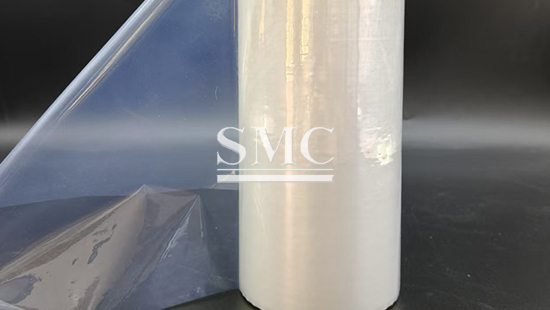

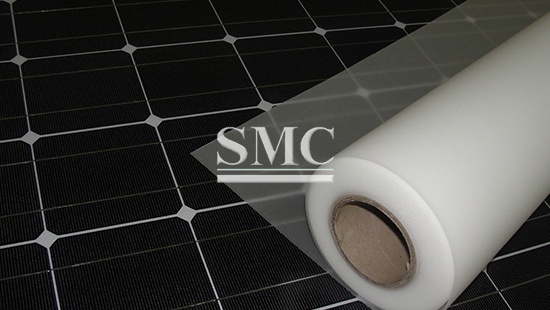

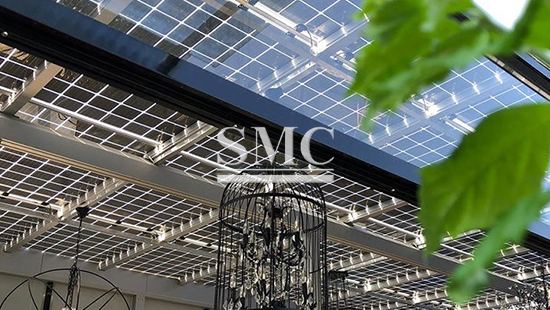
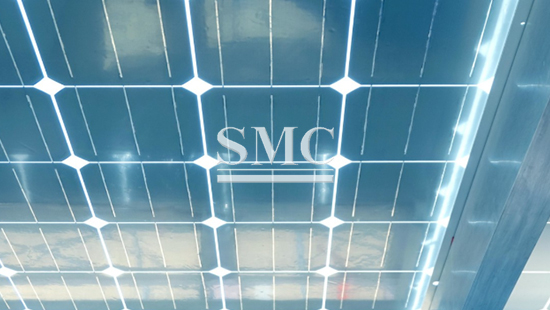
1. Dedicated scenario for double-sided power generation: Suitable for various types of double-sided power generation photovoltaic systems, relying on the unique characteristics of double-sided power generation, it can fully absorb direct light from the front and reflected light from the back, greatly improving overall power generation revenue, and adapting to mainstream power generation scenarios such as distributed photovoltaics and ground power stations.
2. Damp and hot environment scenario: specially developed for high temperature and high humidity areas, with excellent high-temperature heat dissipation performance, it effectively suppresses power attenuation in hot environments, and stably adapts to humid climate conditions. The equipment runs stably and is perfectly suitable for building power generation equipment in complex environments such as humid and hot southern regions, rainforests, and coastal waters.
3. High UV area scenario: With super weather resistance, it can resist long-term exposure to high-intensity UV radiation, and is not prone to component aging, decreased transmittance, power generation attenuation, and other problems. It is stable and suitable for photovoltaic power generation projects in high UV radiation areas such as plateaus, deserts, and open spaces.
4. Low temperature environment scenario: Suitable for high-altitude and low-temperature climate conditions, with stable and non deteriorating component performance, able to maintain efficient power generation in low-temperature environments, fearless of low-temperature frost weather, and suitable for photovoltaic equipment deployment in high-altitude and low-temperature areas in northern China.
Technical Information of Transparent Backsheet:
|
No. |
Item |
Unit |
Reference Standard |
Value |
|
1 |
Nominal thickness |
μm |
GB/T 13542.2-2009 |
300 |
|
2 |
Thickness deviation |
- |
GB/T 13542.2-2009 |
±10% |
|
3 |
Nominal Weight |
g/m² |
GB/T 13542.2-2009 |
416 |
|
4 |
Weight deviation |
- |
GB/T 13542.2-2009 |
-5%~+10% |
|
5 |
Width deviation |
- |
GB/T 13542.2-2009 |
+2, -0 |
|
6 |
Tensile strength - MD |
MPa |
GB/T 13542.2-2009 |
≥100 |
|
7 |
Tensile strength - TD |
MPa |
GB/T 13542.2-2009 |
≥100 |
|
8 |
Elongation at break - MD |
% |
GB/T 13542.2-2009 |
≥100 |
|
9 |
Elongation at break - TD |
% |
GB/T 13542.2-2009 |
≥80 |
|
10 |
Heat shrinkage - MD |
% |
GB/T 13542.2-2009 |
≤0.8 |
|
11 |
Heat shrinkage - TD |
% |
GB/T 13542.2-2009 |
≤0.8 |
|
12 |
Inter-layer peel strength - Air Side |
N/cm |
GB/T 2790-1995 |
≥4 |
|
13 |
Coating adhesion - EVA Side |
- |
GB/T 9286-1998 |
0 grade |
|
14 |
Boiling water treatment (boil for 24h) - Appearance |
- |
GB/T 17748-2008 |
No delamination, no bubble, no peeling |
|
15 |
Boiling water treatment (boil for 24h) - Inter-layer peel strength |
N/cm |
GB/T 2790-1995 |
≥4 |
|
16 |
Boiling water treatment (boil for 24h) - Coating adhesion |
- |
GB/T 9286-1998 |
0 grade |
|
17 |
Peeling strength with EVA (Initial) - Transparent EVA |
N/cm |
GB/T 2790-1995 |
≥40 |
|
18 |
Peeling strength with POE (Initial) |
N/cm |
GB/T 2790-1995 |
≥40 |
|
19 |
Peeling strength with silica gel |
N/cm |
GB/T 1040-2006 |
≥10 |
|
20 |
Transmittance 400-1100nm |
% |
GB/T 2410-2008 |
≥85 |
|
21 |
Breakdown voltage |
KV |
GB/T 13542.2-2009 |
≥17 |
|
22 |
Partial Discharge |
VDC |
IEC 60664-1-2007 |
≥1000 |
|
23 |
DTI |
μm |
IEC TS 62788-2:2017 |
≥150 |
|
24 |
Moisture vapor transmission rate - Electrolysis method (38℃, 90%RH) |
g·m²·d |
GB/T 21529-2008 |
≤2.0 |
|
25 |
Moisture vapor transmission rate - Infrared method (38℃, 90%RH) |
g·m²·d |
GB/T 26253-2010 |
≤2.5 |
|
26 |
PCT aging treatment (121℃, 2 atm, 48h) - Δb |
% |
GB/T 13542.2-2009 |
Δb≤2.0, Elongation at break retention rate≥10% |
|
27 |
DH3000h / Damp Heat 3000h / UV Aging 180kwh / Thermal cycle 400 / Humidity-freeze 30 - Appearance |
- |
IEC 61215-2005 |
No brittle fracture, blistering, delamination |
|
28 |
DH3000h / Damp Heat 3000h / UV Aging 180kwh / Thermal cycle 400 / Humidity-freeze 30 - Δb |
- |
IEC 61215-2005 |
Δb<4.0 |

Packaging of Transparent Backsheet:
Standard Packing:
Each roll of backplane material needs to be wrapped with moisture-proof anti-collision foam and put into a carton, and then the carton is packed on the export wooden pallet with plastic film.
Shipping:
We support FCL and LCL sea freight, air freight, and express delivery, depending on order quantity and destination. Available trade terms include EXW, FOB, CIF, and others upon request. Shipping costs are calculated based on cargo volume, gross weight, destination, and selected transportation method.
Lead Time:
Sample: 5 working days
Standard orders:25~30 working days


Q1: What is a photovoltaic transparent backsheet? Is it different from a regular white backboard?
A : The transparent backplate is a polymer backplate specifically designed for double-sided components, with high overall transparency and allowing reflected light from the back to penetrate and reach the double-sided battery; Ordinary white backplate with TiO ₂ titanium dioxide added, opaque, relying on white reflection of light.
Q2: Can EVA film be used for transparent backplate components? Do I still need POE?
A : Industry mainstream pairing * * POE film * *. POE has better water vapor barrier and lower hydrolysis risk; EVA has a high water vapor transmission rate, and in long-term humid and hot environments, water vapor is more likely to pass through the interface between the backboard and the adhesive film, amplifying the risk of failure. It is not recommended.
Q3: Is the fluorine free transparent backplate reliable?
A : The advantage of fluorine free (polyolefin co extruded) transparent backboard is environmental friendliness and easy recycling; But compared to high-end fluorine-containing backboards, the upper limit of UV resistance and moisture resistance is lower, making it more suitable for mild climate areas; Strict coastal and desert environments require sufficient reliability verification.
Q4: Can the service life of transparent backplate reach 25-30 years?
A : Qualified fluorine coated/composite transparent backboard, with well controlled formula and production process, can meet the 25-30 year lifespan of components. If the control of raw materials, annealing, coating, and cleanliness is not in place, haze and delamination failure may occur in advance.
here
for
price